

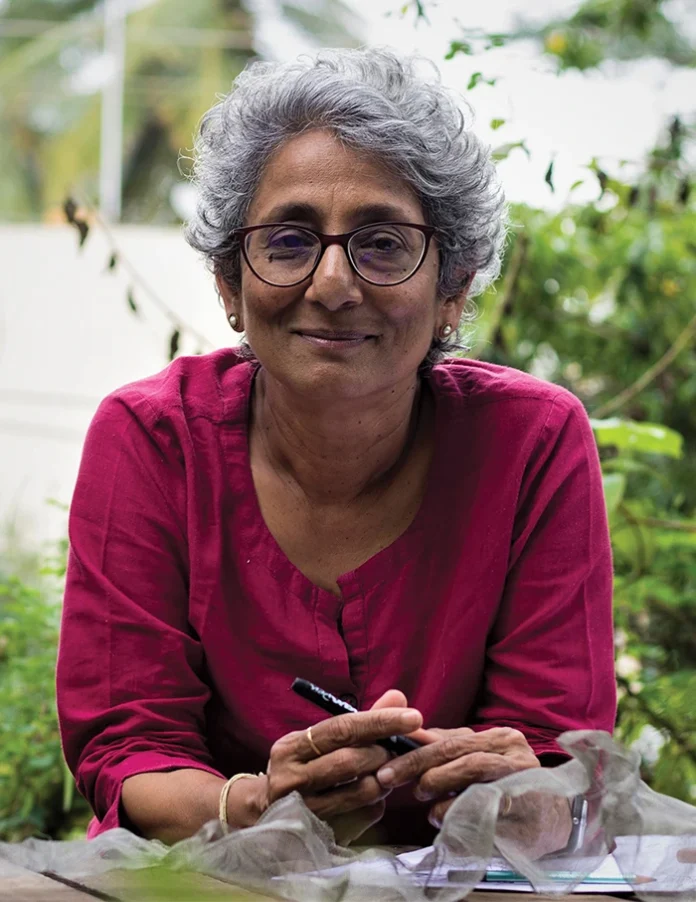
Pravina Mehta was one of India’s most influential architects and urban planners, known for her progressive approach to design and city planning. She played a crucial role in shaping India’s modern architectural landscape, blending functionality with cultural and social consciousness. A pioneer in her field, Mehta’s contributions continue to inspire architects and designers across the country.

Early Life and Education
Born in the early 20th century, Pravina Mehta grew up in a time when architecture in India was still heavily influenced by colonial design principles. Determined to bring a fresh perspective, she pursued formal training in architecture and urban planning. Her education exposed her to global architectural trends while strengthening her deep-rooted understanding of Indian traditions.
Career and Major Contributions
1. Urban Planning and Housing
Pravina Mehta was deeply involved in urban planning projects that prioritized community living. She believed in designing cities that were not just aesthetically pleasing but also functional and sustainable. Some of her key contributions include:
- Affordable Housing Solutions: She designed housing projects that catered to the needs of lower-income groups, ensuring access to well-planned living spaces.
- Sustainable Urban Development: Her projects focused on green spaces, efficient road networks, and pedestrian-friendly environments.
- Community-Centric Design: She advocated for mixed-use developments, where residential, commercial, and cultural spaces coexisted harmoniously.
2. Architectural Innovation
Pravina Mehta’s architectural style was a fusion of modernist principles and traditional Indian aesthetics. Some key aspects of her design philosophy included:
- Use of Local Materials: She promoted the use of indigenous materials to ensure affordability and sustainability.
- Climatic Responsiveness: Her designs were adapted to India’s diverse climatic conditions, ensuring natural ventilation and energy efficiency.
- Minimalism with Functionality: While she embraced modernist principles, her designs always prioritized practicality and human-centric layouts.
3. Advocacy for Women in Architecture
At a time when architecture was a male-dominated field, Pravina Mehta broke barriers and paved the way for future women architects in India. She mentored young architects and actively participated in discussions on gender equality in design and planning.
Legacy and Impact
Pravina Mehta’s impact on Indian architecture extends far beyond the buildings she designed. Her approach to urban planning, sustainable design, and inclusive architecture set new benchmarks in the industry. Some key takeaways from her legacy include:
- Influence on Modern Indian Urban Planning: Her methodologies continue to shape city planning policies in India.
- Sustainability in Design: She was ahead of her time in advocating for eco-friendly and resource-efficient construction practices.
- Socially Responsible Architecture: She emphasized that architecture should serve the people, particularly marginalized communities.
Awards and Recognition
Throughout her career, Pravina Mehta received several accolades for her contributions to architecture and urban planning. Her work was recognized both nationally and internationally, solidifying her reputation as a visionary architect.
Conclusion
Pravina Mehta’s contributions to architecture and urban planning have left a lasting imprint on India’s built environment. Her innovative designs, commitment to sustainability, and dedication to social causes make her one of the greatest architects in Indian history. As modern cities continue to evolve, her work remains a guiding light for architects and planners striving to create meaningful, people-centric spaces.

