Monday, January 19, 2026
Home Blog Page 5

Sunita Kohli: The Trailblazing Interior Designer Shaping India’s Architectural Heritage

0

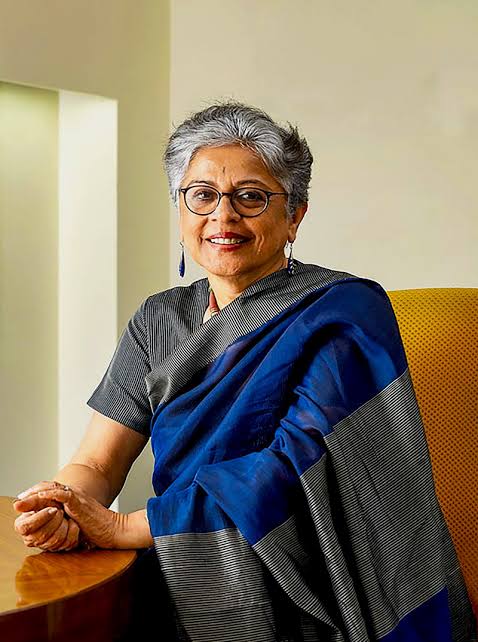
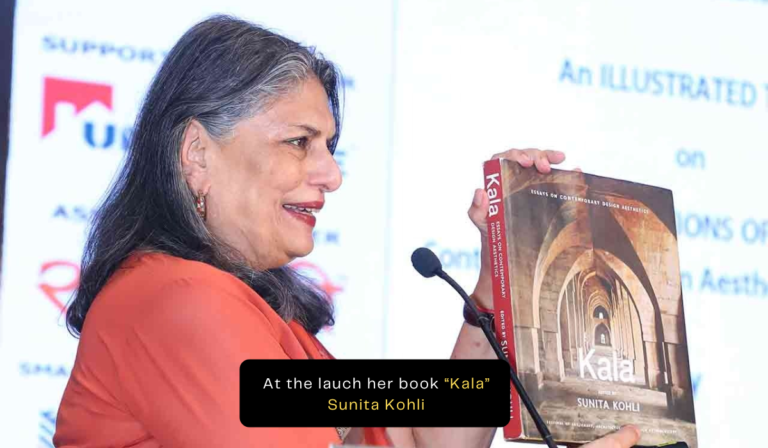
Sunita Kohli is a name synonymous with elegance, heritage, and timeless design. As one of India’s most renowned interior designers, her work has not only transformed individual spaces but has also played a significant role in restoring some of the country’s most iconic buildings. With an illustrious career spanning decades, Kohli is recognized for her expertise in historic conservation, furniture design, and interior aesthetics that seamlessly blend tradition with modernity.

Early Life and Journey into Design


Sunita Kohli’s journey into the world of design was anything but conventional. With an academic background in English Literature, she ventured into interior design with a deep appreciation for history, architecture, and craftsmanship. Her passion for antique furniture restoration gradually evolved into a full-fledged career in interior design, leading her to work on some of India’s most prestigious projects.

Signature Design Philosophy
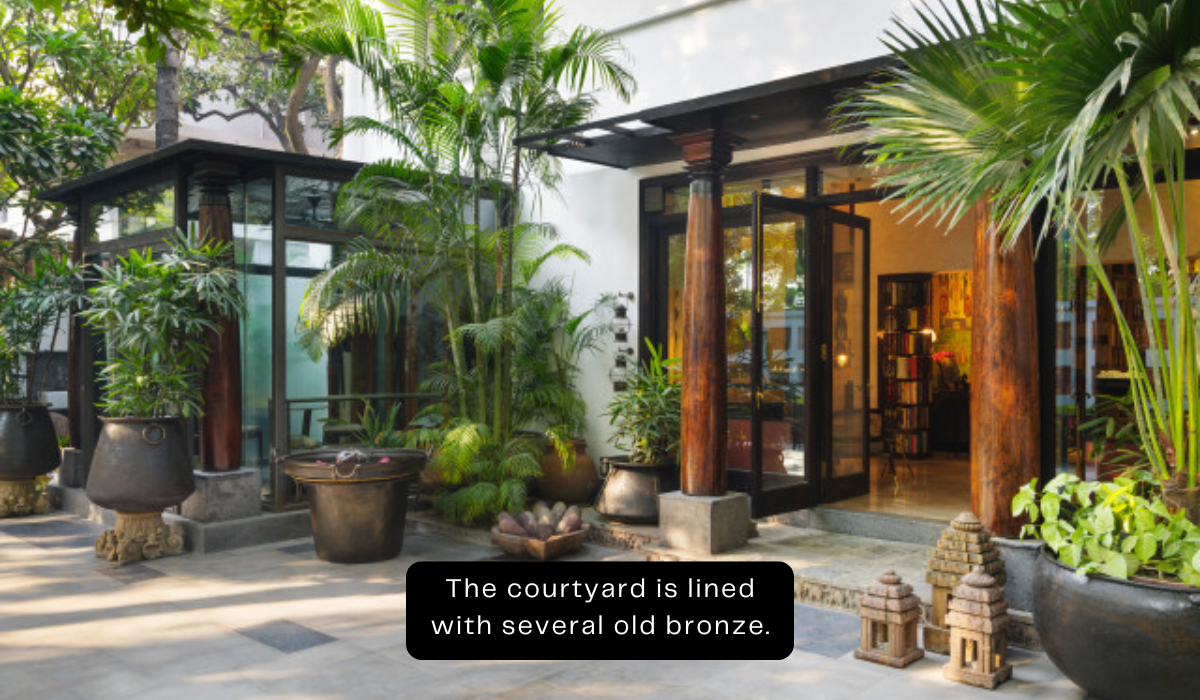
Kohli’s design philosophy is deeply rooted in India’s rich cultural and architectural heritage. She is known for incorporating traditional Indian craftsmanship, intricate detailing, and high-quality materials into her work. Whether it’s restoring a heritage building or designing a modern home, her approach balances aesthetics with functionality, ensuring every space tells a story.

Notable Projects and Restoration Work

One of the most defining aspects of Sunita Kohli’s career is her work in architectural restoration. She has been instrumental in restoring several historic buildings in India, including:

  • The Rashtrapati Bhavan (Presidential Palace), New Delhi: Kohli played a key role in refurbishing and restoring several rooms within this grand structure, bringing back its original grandeur.
  • The Prime Minister’s Office, New Delhi: Her expertise in restoring historic interiors ensured that the office retained its dignity and historical significance.
  • The Parliament House, New Delhi: Kohli has worked on maintaining the rich interiors of one of India’s most significant political landmarks.
  • The British Council Building, New Delhi: Her meticulous work on this cultural institution further solidified her reputation as a leading figure in interior restoration.

Beyond these, Kohli has worked extensively on private residences, luxury hotels, and cultural centers, each time infusing them with elements of India’s traditional aesthetics.

Awards and Recognitions
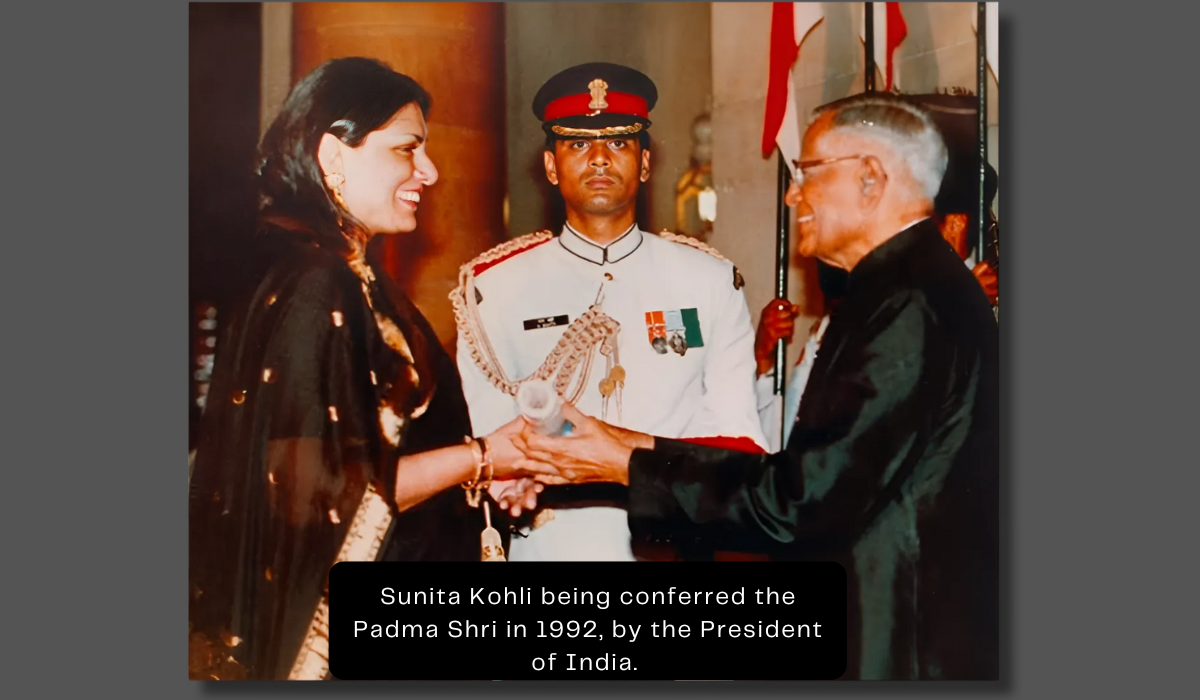
Sunita Kohli’s contributions to interior design and architectural conservation have been widely acknowledged. Some of the prestigious awards and recognitions she has received include:

  1. Padma Shri Award (1992): One of India’s highest civilian honors, awarded for her outstanding work in interior design and architectural restoration.
  2. Design Excellence Awards: Recognized multiple times for her contributions to luxury and heritage design.
  3. Global Design Conferences and Lectures: She has been invited to speak at various international forums, sharing insights on Indian architecture and design.

Recent and Ongoing Work

Even after decades in the industry, Sunita Kohli continues to make remarkable contributions to interior design. Some of her recent works include:

  • Luxury Residences for High-Profile Clients: Kohli has designed homes for business tycoons, politicians, and celebrities, maintaining her signature blend of sophistication and heritage.
  • Boutique Hotels and Heritage Resorts: She has been actively involved in designing hotels that showcase India’s cultural richness while offering modern comfort.
  • Cultural and Government Projects: Continuing her work in restoring historic buildings, she is currently involved in the refurbishment of several government spaces and cultural institutions.

Legacy and Influence on Indian Design

Sunita Kohli has undoubtedly left an indelible mark on the world of interior design. Her dedication to preserving India’s architectural past while seamlessly integrating it into contemporary spaces has inspired countless designers. As a mentor and thought leader, she continues to shape the future of Indian design, proving that good design is not just about aesthetics—it’s about storytelling, heritage, and a deep respect for history.

Conclusion

Sunita Kohli’s work stands as a testament to India’s rich cultural legacy and the role interior design plays in preserving it. From restoring grand government buildings to designing luxurious private spaces, her influence is unparalleled. As she continues to innovate and inspire, her name remains etched among the most revered figures in the world of design and architecture.


Building Stories: Chitra Vishwanath’s Journey Through Sustainable Architecture

0

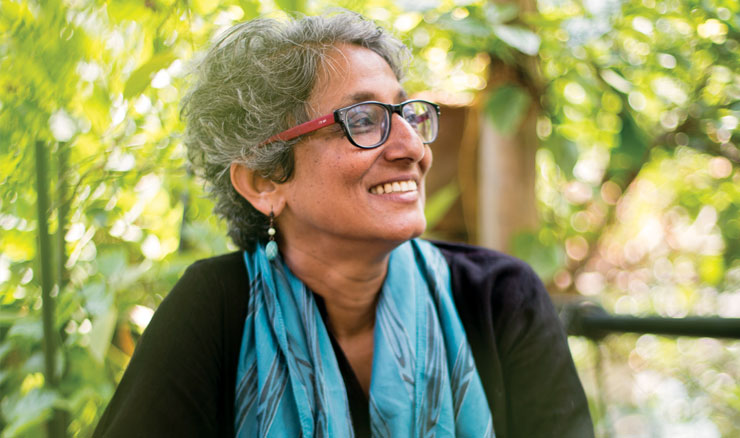
Chitra Vishwanath isn’t just an architect—she’s a storyteller, weaving tales of sustainability, nature, and human connection into every structure she designs. Her approach to architecture isn’t just about constructing buildings; it’s about creating spaces that tell stories of harmony between people and the environment.

Crafting a Narrative of Sustainability

Rekha & Sanjay Residence by Chitra Vishwanath: The Eco home - RTF ...
Rekha & Sanjay Residence by Chitra Vishwanath: The Eco home – RTF

For Vishwanath, every building has a voice. She believes architecture should be in sync with nature, using locally sourced materials like mud, bamboo, and stone. These elements aren’t just functional—they tell a deeper story about the land, its history, and the people who inhabit it. Her designs inspire a shift in thinking, proving that buildings can be both beautiful and environmentally responsible.

Designs That Speak for Themselves

A Life In Design AR. CHITRA VISHWANATH

Take her own home in Bengaluru, for example. Built with mud bricks, it’s a living example of how architecture can be both aesthetic and sustainable. The house stays naturally cool, eliminating the need for air conditioning, and features rainwater harvesting and an eco-friendly waste management system. Every detail in the home whispers a story of self-sufficiency and respect for the planet.

Mud as a Storytelling Medium

Hot 100 2018 - Chitra Vishwanath - Architect and Interiors India
Hot 100 2018 – Chitra Vishwanath – Architect and Interiors India


Mud isn’t just a building material in Vishwanath’s work—it’s a storyteller. It carries the essence of the earth, linking the past with the present. By championing mud architecture, she breathes life into age-old construction techniques, reviving a cultural heritage that is often overlooked in modern architecture.

Designing for People, with People

Chennai + architect Chitra Vishwanath - Australian Institute of Architects
Chennai + architect Chitra Vishwanath – Australian Institute of Architects

Vishwanath doesn’t just build structures; she builds communities. Through her firm, Biome Environmental Solutions, she works closely with local artisans and communities to ensure they play an integral role in the design and construction process. The result? Spaces that reflect the collective spirit and culture of the people who use them.

A Legacy of Storytelling Through Design

Chitra Vishwanath- Creating an Ecofriendly Way of Living - RTF
Chitra Vishwanath- Creating an Ecofriendly Way of Living – RTF

Chitra Vishwanath’s work proves that architecture isn’t just about erecting walls—it’s about telling a story, one that echoes through generations. Her designs stand as testaments to sustainable living, environmental consciousness, and the beauty of working with nature rather than against it.

Her journey is an inspiration to future architects, showing them that buildings can be more than just shelters; they can be narratives of a sustainable, thoughtful, and harmonious way of life.

Brinda Somaya: A Visionary Architect Shaping India’s Cultural and Sustainable Landscape

0

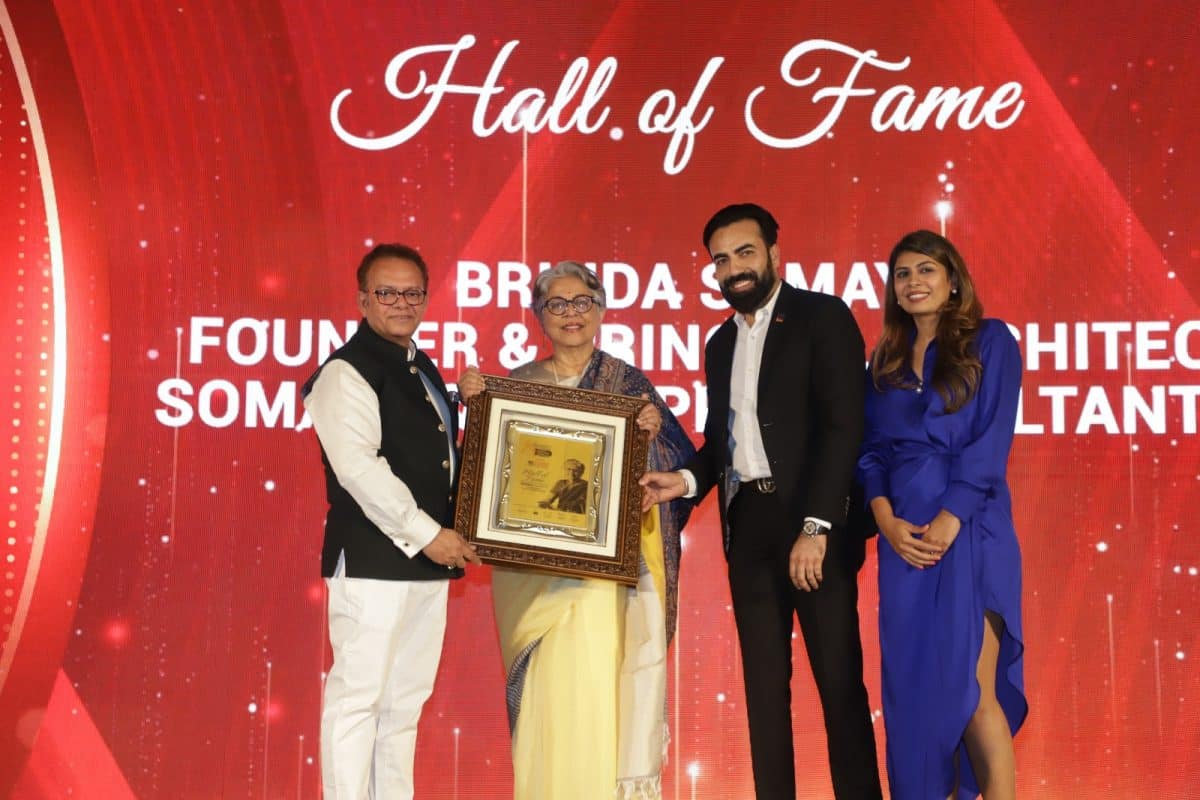
Brinda Somaya is an architect, conservationist, and urban planner whose work transcends conventional boundaries to merge culture, sustainability, and design. Over the course of her illustrious career spanning more than four decades, she has redefined the role of architecture in shaping not just spaces but also communities. Her ability to balance the modern with the traditional and her dedication to environmental sensitivity have earned her a revered place in Indian architecture.

Early Life and Education

Brinda Somaya was born in Mumbai in 1949 into a family that valued education and culture. Her early years were marked by exposure to the arts, heritage, and the importance of community. She pursued her Bachelor of Architecture degree from Mumbai University and later earned her Master’s in Architecture from Smith College, USA. These formative years laid the foundation for her distinctive approach to architecture, which combines technical expertise with cultural sensitivity.

Founding Somaya and Kalappa Consultants

In 1978, Brinda Somaya established her firm, Somaya and Kalappa Consultants (SNK), in Mumbai. At a time when the architectural profession was largely male-dominated, her decision to start her own practice was both bold and inspiring. Over the years, SNK has grown into one of India’s leading architecture and design firms, with projects spanning education, conservation, urban design, and corporate spaces.

Philosophy: Architecture as a Social Responsibility

Somaya’s philosophy can be summed up in her own words: “The architect’s role is that of guardian – he or she is the conscience of the built and unbuilt environment.” This belief underscores her work, which often incorporates elements of local culture, vernacular traditions, and environmental sustainability. She approaches architecture as a tool for social change, ensuring her designs benefit not just the client but also the community and the environment.

Notable Projects

1. Restoration of St. Thomas Cathedral, Mumbai

St. Thomas Cathedral - Mumbai - Architecture

One of Somaya’s most celebrated projects is the restoration of the St. Thomas Cathedral in Mumbai, a heritage site and one of the city’s oldest churches. Her team meticulously restored the structure, preserving its historical significance while adapting it to modern requirements. This project exemplifies her commitment to conserving India’s architectural heritage.

2. Sardar Vallabhbhai Patel Museum, Surat

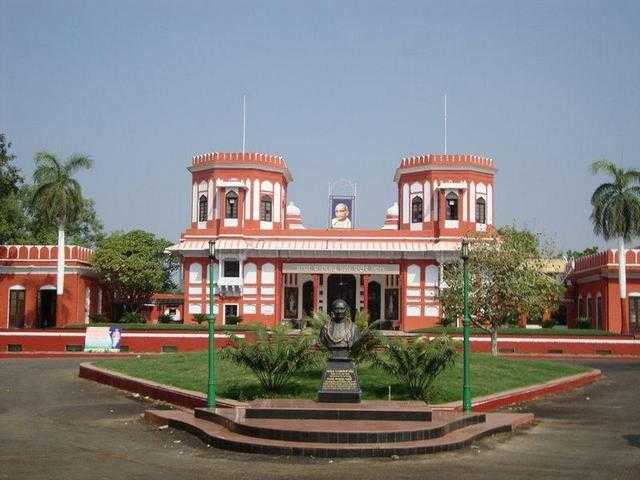
Sardar Patel Museum Surat | Sardar Patel Museum timings, history, images,  best time

Another landmark project is the transformation of the Sardar Vallabhbhai Patel Museum in Surat. Somaya’s team revitalized the museum by integrating modern design elements with the building’s original architecture. The project seamlessly blends history, culture, and contemporary functionality.

3. IIT Bombay Campus

Less than 50% of IIT Bombay students enrolled for campus placement; 36% of  them still jobless: Report - CNBC TV18

Somaya has also been involved in designing spaces for higher education, including the Indian Institute of Technology (IIT) Bombay. Her work on the campus reflects her ability to create environments that inspire learning while being in harmony with nature.

4. Bhadli Village Rehabilitation

Rehabilitation of Bhadli Village of Bhuj by Brinda Somaya: A Ray of Hope -  RTF | Rethinking The Future
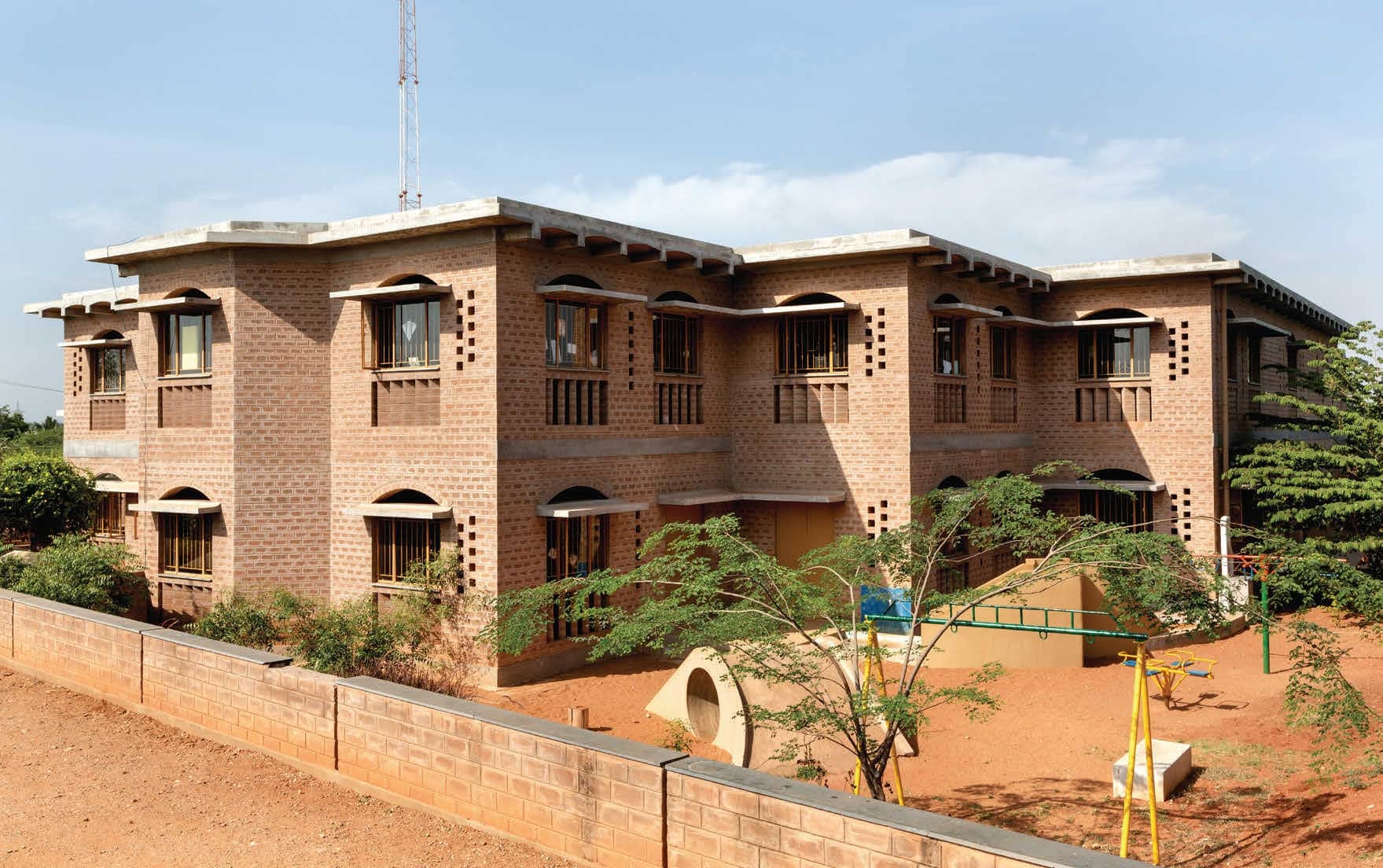
Play of Light and Shadows, Vasanth Vidyalaya. ©snkindia.com

After the devastating earthquake in Gujarat in 2001, Somaya led the rehabilitation of Bhadli village. Her team designed sustainable, earthquake-resistant homes that respected local traditions and materials. This project demonstrated her ability to use architecture as a means of healing and rebuilding communities.

Advocacy for Women in Architecture

As one of the few women to have made a significant mark in Indian architecture, Brinda Somaya has been a vocal advocate for gender equality in the field. She has mentored countless young architects, particularly women, encouraging them to challenge stereotypes and pursue their passions. Her success has paved the way for a new generation of female architects in India.

Awards and Recognition

Architect Brinda Somaya honored

Brinda Somaya’s contributions to architecture and conservation have been recognized globally. She has received numerous awards, including the UNESCO Asia-Pacific Heritage Award, the Indian Institute of Architects’ Baburao Mhatre Gold Medal, and the Lifetime Achievement Award from the Indian Architects and Builders (IAB). In 2017, she was also honored with the prestigious ‘Women in Architecture’ award by the UK-based Architectural Review.


Annkur Khosla’s Inspiring Journey to Architectural Brilliance

0

In the bustling lanes of Mumbai, a young girl with a passion for creativity and design dared to dream big. Annkur Khosla, now a name synonymous with avant-garde architecture in India, embarked on a journey of learning, perseverance, and innovation that has reshaped the architectural landscape. Her story is not just one of professional success but also a tale of vision, resilience, and a relentless pursuit of excellence.

Early Life and Education: A Foundation for Greatness

Annkur Khosla’s journey began with a deep-rooted curiosity about the built environment and an innate flair for design. She pursued her architectural studies at the prestigious Academy of Architecture in Mumbai, where her talent and dedication began to take shape. But Khosla’s thirst for knowledge extended beyond conventional boundaries.

Recognizing the importance of blending global perspectives with local sensibilities, she enrolled in the New York School of Interior Design, gaining insights into contemporary design principles. To further deepen her understanding of India’s rich cultural heritage, she completed a Post Graduate Diploma in Indian Aesthetics from Jnanapravaha. This diverse educational background became the cornerstone of her design philosophy—harmonizing traditional aesthetics with modern innovation.

The Birth of a Vision: Annkur Khosla Design Studio

In 2009, armed with a unique vision and an unyielding determination, Annkur founded her boutique design studio at the World Trade Centre in Mumbai. The firm quickly established itself as a powerhouse of creativity, undertaking projects that ranged from opulent villas to cutting-edge wellness centers, hospitality spaces, and luxurious residential apartments, both in India and abroad.

Annkur’s studio became a beacon of innovation, celebrated for its commitment to creating soulful spaces. Her designs were not just structures but narratives—each telling a story, each resonating with meaning and purpose.

Pioneering Avant-Garde Design

Annkur’s approach to architecture is refreshingly non-conventional. Inspired by Antoine de Saint-Exupéry’s philosophy of achieving perfection through simplicity, her designs focus on stripping away the unnecessary. This minimalistic yet profound ideology is evident in her projects, which prioritize functionality and harmony without compromising on aesthetic brilliance.

Her work is characterized by a fearless exploration of form and material. Annkur believes that every space should have a transformative impact on its inhabitants, and her designs reflect this ethos. Whether it’s the careful play of light and shadow, the use of indigenous materials, or the incorporation of cultural motifs, each project is a testament to her ability to blend art with purpose.

Milestones of Excellence

One of Annkur’s most celebrated projects is the penthouse residence of Bollywood actor Shahid Kapoor and his wife, Mira. Executed during the pandemic, this project was a labor of love that demonstrated Annkur’s meticulous planning and adaptability. The design reflected the couple’s unique lifestyle, combining elegance with functionality—a hallmark of her work.

Another standout creation is ‘The Colonnade,’ a Mumbai residence that seamlessly merges the clients’ Jaipur roots with their cosmopolitan lifestyle. The project exemplifies Annkur’s skill in weaving cultural richness into contemporary designs, creating spaces that feel both personal and timeless.

Recognitions and Accolades

Annkur Khosla’s contributions to architecture have earned her numerous accolades. She was nominated as one of the 50 Next Generation Architects of India in 2012 and recognized by Vogue magazine as one of the Space Explorer Dynamos of 2013. Prestigious publications like Architect and Interiors India and Casa Vogue have consistently highlighted her work, listing her among the 100 Leading Architects of India and the top 15 Upper Crust designers.

Challenges and Lessons Learned

Annkur’s journey hasn’t been without challenges. In a field dominated by established norms and rigid conventions, her experimental approach often faced resistance. But instead of succumbing, she embraced these challenges as opportunities to grow and innovate. “Design is ever-evolving,” she says, “and it requires a constant balance between one’s ideology and people’s perceptions.”

Her commitment to lifelong learning and openness to feedback have been instrumental in her success. Annkur credits her achievements to her respect for humanity and her belief in the transformative power of design.

Looking Ahead: A Vision for the Future

Annkur Khosla’s aspirations extend far beyond individual projects. She envisions designing at a governmental level, creating large-scale spaces that have the power to impact millions of lives. Collaboration and partnership also feature prominently in her plans, as she believes in the power of shared creativity to push the boundaries of what’s possible.

Her journey serves as an inspiration not only to aspiring architects but to anyone striving to turn their dreams into reality. Annkur Khosla’s life story is a reminder that with vision, perseverance, and a deep respect for one’s craft, one can create a legacy that transcends time.

A Legacy of Innovation

Today, Annkur Khosla stands as a trailblazer, a visionary who has redefined what it means to be an architect in modern India. Her work is a celebration of creativity, culture, and purpose—a legacy that continues to inspire and transform.


Abha Narain Lambah The Guardian of India’s Architectural Heritage

0

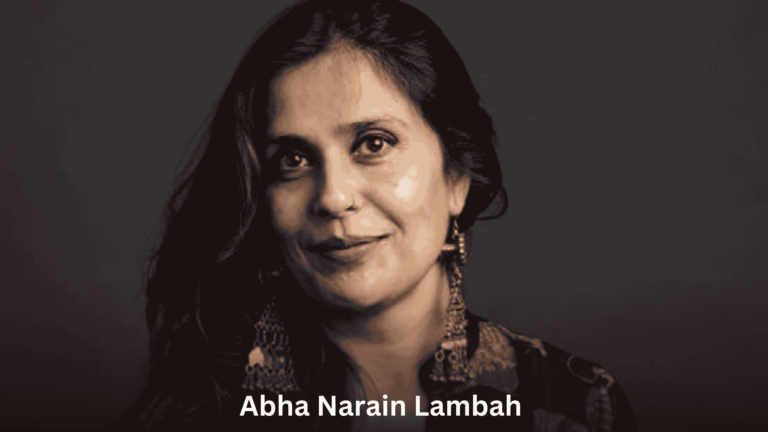
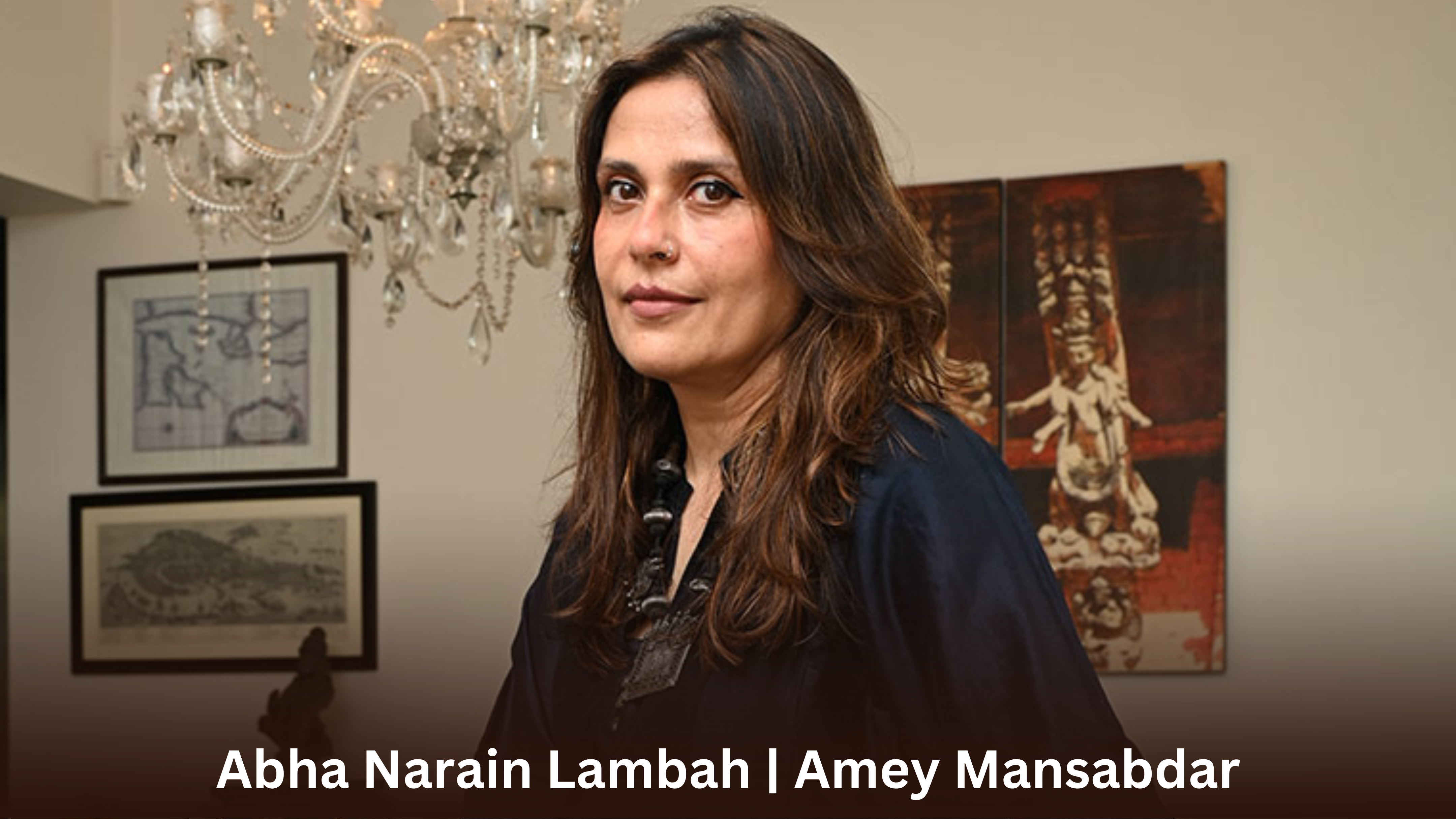
Abha Narain Lambah, born in 1970 in Calcutta (now Kolkata), India, is a distinguished conservation architect renowned for her extensive work in restoring and preserving India’s architectural heritage. Her contributions have been pivotal in safeguarding numerous UNESCO World Heritage Sites and historic structures across the country.

Early Life and Education

Abha’s early years were influenced by her father’s service in the Indian Revenue Service, leading the family to reside in Kolkata during her formative years. This exposure to the city’s rich architectural legacy ignited her passion for history and conservation. She pursued her architectural studies at the School of Planning and Architecture in New Delhi, where she developed a keen interest in heritage conservation.

Career

Upon completing her education, Abha moved to Mumbai, a city celebrated for its diverse architectural styles. Her inaugural project involved preparing a conservation plan for the David Sassoon Library and Reading Room, marking the beginning of her illustrious career in heritage conservation.

In 1998, she established her own practice, Abha Narain Lambah Associates, focusing on the restoration and conservation of historic structures. Over the years, her firm has undertaken a myriad of significant projects, including:

  • Ajanta Caves: A UNESCO World Heritage Site, the Ajanta Caves are renowned for their ancient Buddhist rock-cut temples and exquisite murals.
  • Golconda Fort: Located in Hyderabad, this fort is a testament to medieval engineering and architecture.
  • Mahabodhi Temple: Situated in Bodh Gaya, Bihar, this temple is one of the most sacred sites in Buddhism.
  • Royal Opera House, Mumbai: India’s only surviving opera house, restored to its former glory under her guidance.
  • Asiatic Society of Mumbai Town Hall: A neoclassical structure housing a vast collection of books and artifacts.
  • Knesset Eliyahoo Synagogue: A historic Jewish synagogue in Mumbai, known for its distinctive blue façade.

Her firm’s portfolio also includes the restoration of various forts, palaces, and museums across India, reflecting a deep commitment to preserving the nation’s cultural heritage.

Honors and Awards

Abha Narain Lambah’s dedication to conservation has earned her numerous accolades:

  • UNESCO Asia-Pacific Awards for Cultural Heritage Conservation: Her firm has received 13 of these prestigious awards, recognizing excellence in conservation efforts. Notably, the restoration of the 15th-century Maitreya Buddha Temple at Basgo, Ladakh, received the Award of Excellence in 2007.
     
  • Architect of the Year Award, CNBC Awaaz, 2017: This award acknowledged her significant contributions to architecture and conservation.
     
  • Sanskriti Award: Conferred for her outstanding work in the field of architecture and conservation. 
  • Eisenhower Fellowship: Awarded in 2002, this fellowship recognized her leadership and contributions to conservation.

Notable Projects

Throughout her career, Abha has led several landmark projects:

  • Chhatrapati Shivaji Maharaj Vastu Sangrahalaya (CSMVS), Mumbai: Formerly known as the Prince of Wales Museum, the restoration of this Indo-Saracenic structure earned an Honorable Mention in the UNESCO Asia-Pacific Awards in 2010.
  • Le Corbusier’s Capitol Complex, Chandigarh: Her firm prepared the management plan for this UNESCO World Heritage Site, ensuring its preservation for future generations.

  • Santiniketan: Abha’s firm prepared the successful UNESCO nomination dossier for Rabindranath Tagore’s Santiniketan, leading to its inclusion as a World Heritage Site.

Recent Works

In recent years, Abha has continued her mission to conserve India’s architectural heritage:

  • Shalimar Bagh, Kashmir: She is overseeing the restoration of this Mughal garden, aiming to revive its historical splendor.
Shalimar Bagh's marble pavilion
Shalimar Bagh’s marble pavilion
  • Vadnagar Urban Conservation: Her firm is involved in the urban conservation of Vadnagar, focusing on preserving its rich cultural and architectural legacy.


  • Balasaheb Thackeray Rashtriya Smarak, Mumbai: A project dedicated to commemorating the life and contributions of Balasaheb Thackeray.
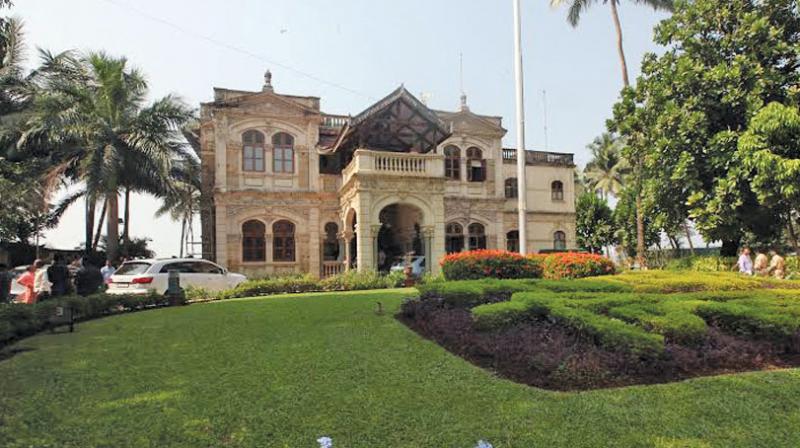
The Major's bungalow at Shivaji Park
The Major’s bungalow at Shivaji Park

Legacy and Impact

Abha Narain Lambah’s work transcends mere restoration; it embodies a philosophy of preserving cultural narratives and architectural integrity. Her meticulous approach ensures that restored structures retain their historical essence while adapting to contemporary contexts. Through her efforts, she has not only conserved buildings but also inspired a renewed appreciation for India’s rich architectural heritage.

Her journey underscores the importance of safeguarding history, ensuring that future generations can experience and learn from the architectural marvels of the past. Abha’s unwavering commitment to conservation continues to shape the landscape of heritage architecture in India and beyond.

Anupama Kundoo Pioneering Sustainable Architecture in India

0

Introduction:- Anupama Kundoo stands as a beacon of innovative and sustainable architecture in India. Her remarkable career has been defined by her commitment to environmental consciousness, community-driven projects, and the blending of traditional and modern architectural techniques. This article delves into the life, works, and enduring legacy of Anupama Kundoo, tracing her journey from her early days to her most recent contributions.

Career Beginnings and Philosophy Anupama Kundoo’s career took shape in the late 1980s and early 1990s, a time when the global architectural landscape was undergoing significant changes. Kundoo’s philosophy revolved around creating architecture that is not only aesthetically pleasing but also environmentally responsible. Her works are rooted in the principles of minimal environmental impact, efficient use of resources, and the incorporation of local materials and techniques.

Auroville: The Turning Point Auroville, the experimental township in Tamil Nadu, became a pivotal chapter in Kundoo’s life. She moved there in the early 1990s, attracted by the community’s focus on sustainable living and holistic development. In Auroville, Kundoo began exploring alternative construction methods and materials, conducting experiments that would define her career.

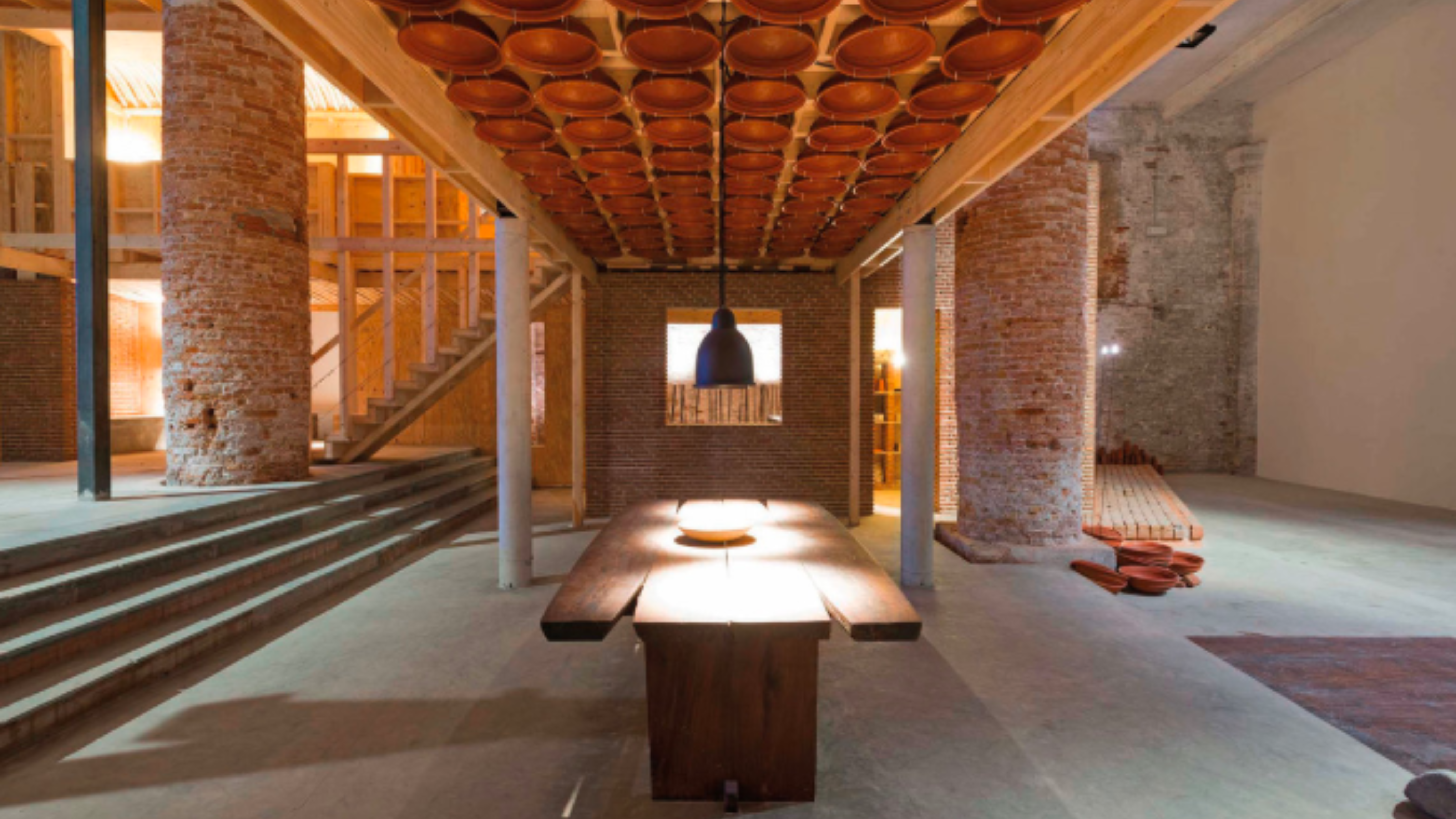
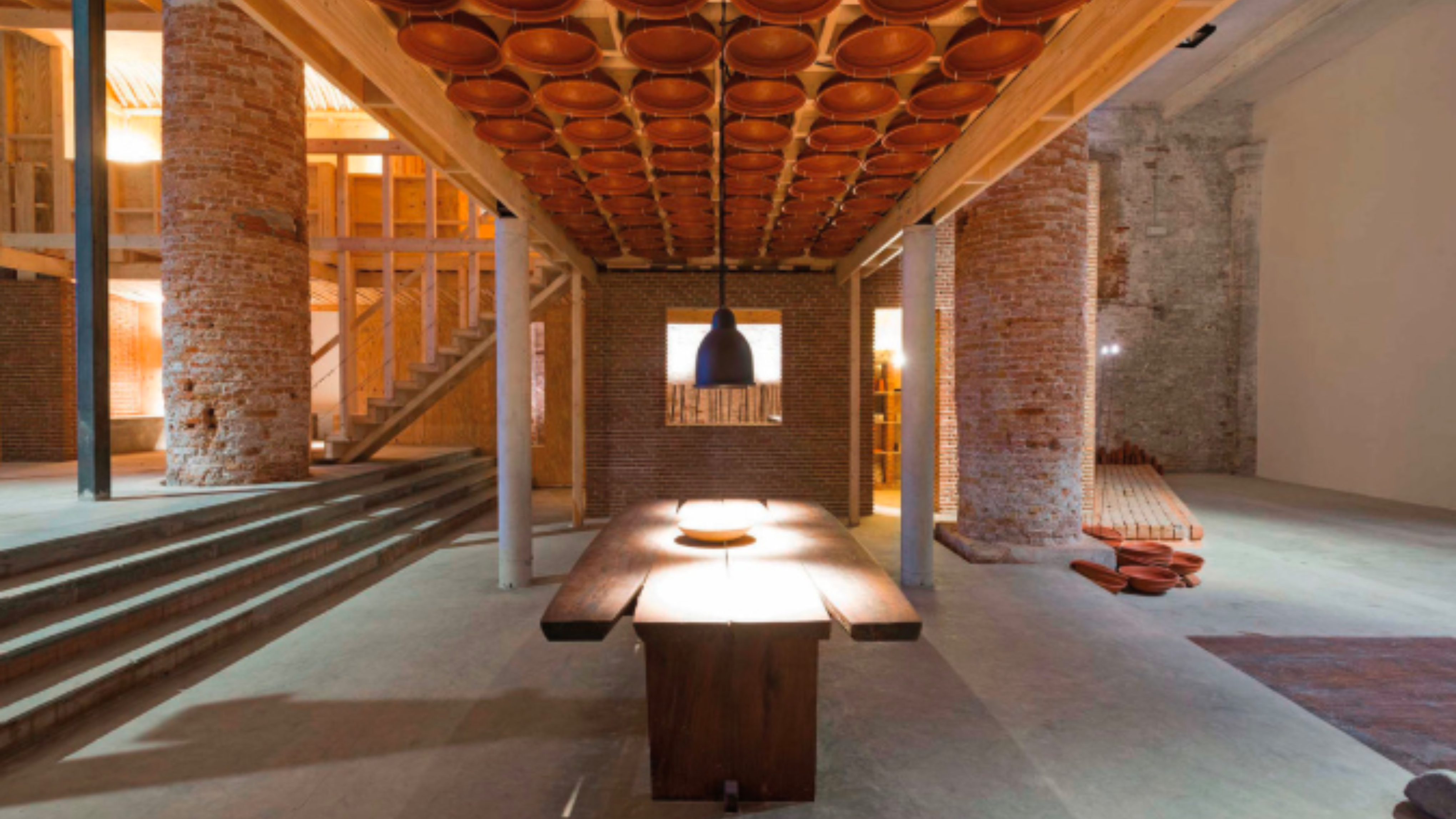
Her seminal work in Auroville includes the ‘Wall House,’ which exemplifies her approach to sustainability. Built using compressed earth blocks and ferrocement, the Wall House is a study in how local materials and traditional techniques can be harmoniously integrated into modern architectural practices. The project gained international acclaim and cemented Kundoo’s reputation as a visionary architect.

Anupama Kundoo presented a one-to-one model of her own house in Auroville in an exhibition entitled ‘Wall House’ at the Biennale of Architecture in 2012. (Photo: Andreas Deffner)

Key Projects and Innovations Over the years, Anupama Kundoo has designed a plethora of projects, each reflecting her commitment to sustainability and innovation. Some of her most notable works include:

  1. The Full Fill Homes Kundoo’s ‘Full Fill Homes’ initiative addresses the global housing crisis by offering affordable and sustainable housing solutions. Using lightweight concrete blocks, this project demonstrates how architecture can be both socially impactful and environmentally friendly.
  1. The Material Library As an advocate for material innovation, Kundoo has created a Material Library that showcases a wide array of sustainable building materials. This initiative is a resource for architects and builders seeking to adopt eco-friendly practices.
  2. The Volontariat Homes Located in Pondicherry, the Volontariat Homes project exemplifies Kundoo’s dedication to social architecture. These homes were built for underprivileged families, using sustainable techniques and involving the community in the construction process.

Teaching and Mentorship Beyond her architectural projects, Anupama Kundoo has made significant contributions as an educator. She has taught at prestigious institutions, including Parsons School of Design in New York and TU Berlin. Her teaching philosophy emphasizes hands-on learning, encouraging students to experiment with materials and construction methods.

Wall House One to One La Biennale di Venezia, Venice, 2012

Kundoo’s academic pursuits are not limited to teaching; she is also a prolific writer and researcher. Her publications delve into the intersections of architecture, sustainability, and societal needs, offering valuable insights to the architectural community.

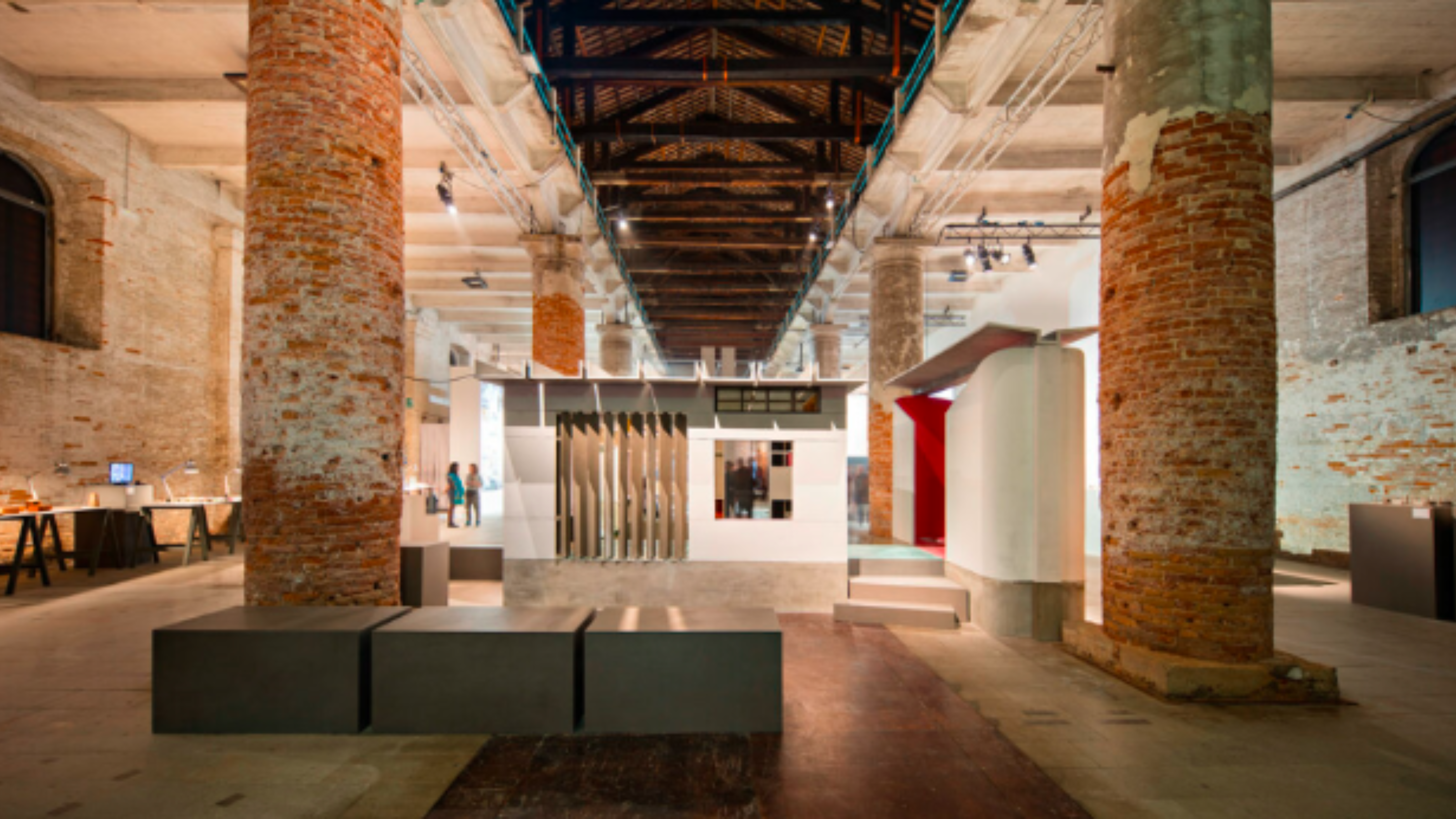
Awards and Recognition Anupama Kundoo’s innovative approach to architecture has earned her numerous accolades. She received the prestigious RIBA Charles Jencks Award in 2021, recognizing her contributions to the field of sustainable architecture. Her work has been exhibited at major international venues, including the Venice Architecture Biennale, where her installations have garnered widespread acclaim.

Recent Works and Legacy In recent years, Kundoo has continued to push the boundaries of sustainable architecture. Her focus has expanded to include urban planning and the integration of technology in construction. Projects like the ‘Auroville Earth Institute’ showcase her ongoing commitment to creating a built environment that is in harmony with nature.

Kundoo’s legacy is one of inspiration and transformation. She has proven that architecture can be a powerful tool for addressing pressing global issues such as climate change, housing shortages, and resource scarcity. Her work serves as a blueprint for future generations of architects who aspire to create meaningful and sustainable designs.

Conclusion Anupama Kundoo’s journey from a young architecture student in Mumbai to an internationally acclaimed architect and educator is a testament to her vision, resilience, and passion. Her innovative projects, grounded in sustainability and social responsibility, have redefined the role of architecture in the modern world. As she continues to inspire and mentor new generations, Kundoo’s impact on the architectural landscape is bound to endure, leaving a legacy that transcends borders and generations.

Uncovers Corruption Scandal Involving Local Officials and Misappropriation of Funds

In the dynamic world of business and entrepreneurship, success is not just about having a great idea or a solid business plan. It requires a combination of factors, including setting goals, cultivating the right mindset, and harnessing unwavering motivation. These elements form the cornerstone of achievement, empowering individuals to overcome challenges, adapt to changes, and ultimately thrive in the competitive landscape. In this blog post, we delve into the vital role of goals, mindset, and motivation and explore how they fuel success for aspiring entrepreneurs and established business professionals alike.

Setting Clear Goals

Setting clear and well-defined goals is the compass that guides entrepreneurs and business professionals on their path to success. Goals serve as a roadmap, providing direction and purpose in the face of uncertainties. They enable individuals to identify their aspirations, break them down into actionable steps, and measure progress along the way.

With dedication, perseverance, and a strong foundation, entrepreneurial dreams can be transformed into thriving realities

By defining specific, measurable, achievable, relevant, and time-bound (SMART) goals, entrepreneurs can establish a clear vision and set themselves up for success. Moreover, goals provide a sense of focus, motivation, and accountability, ensuring that every action taken aligns with the desired outcome.

Cultivating the Right Mindset

The right mindset is a critical component for success in business and entrepreneurship. A growth mindset, characterized by resilience, adaptability, and a willingness to learn, empowers individuals to navigate challenges and seize opportunities. Embracing failure as a learning experience and maintaining a positive attitude in the face of adversity are crucial for long-term success. By cultivating a growth mindset, entrepreneurs can foster creativity, innovation, and the ability to pivot when needed. Additionally, a mindset focused on collaboration, empathy, and continuous improvement can strengthen relationships, inspire teams, and foster a supportive work culture.

Harnessing Unwavering Motivation

Motivation is the fuel that drives individuals to overcome obstacles, stay committed to their goals, and achieve remarkable results. For entrepreneurs and business professionals, it is crucial to understand their intrinsic and extrinsic motivations. Intrinsic motivation stems from personal fulfillment, passion, and a deep sense of purpose, while extrinsic motivation arises from external factors such as financial rewards or recognition.

Goals, mindset, and motivation form the powerful triad that drives success in business and entrepreneurship

By tapping into their intrinsic motivations and aligning their work with their values and passions, entrepreneurs can find the energy and determination to push through challenges and persevere. Additionally, creating a supportive environment, celebrating small wins, and regularly reassessing goals can help maintain motivation and prevent burnout.

Road Expansion Project Set to Ease Commute Time in Town

In the dynamic world of business and entrepreneurship, success is not just about having a great idea or a solid business plan. It requires a combination of factors, including setting goals, cultivating the right mindset, and harnessing unwavering motivation. These elements form the cornerstone of achievement, empowering individuals to overcome challenges, adapt to changes, and ultimately thrive in the competitive landscape. In this blog post, we delve into the vital role of goals, mindset, and motivation and explore how they fuel success for aspiring entrepreneurs and established business professionals alike.

Setting Clear Goals

Setting clear and well-defined goals is the compass that guides entrepreneurs and business professionals on their path to success. Goals serve as a roadmap, providing direction and purpose in the face of uncertainties. They enable individuals to identify their aspirations, break them down into actionable steps, and measure progress along the way.

With dedication, perseverance, and a strong foundation, entrepreneurial dreams can be transformed into thriving realities

By defining specific, measurable, achievable, relevant, and time-bound (SMART) goals, entrepreneurs can establish a clear vision and set themselves up for success. Moreover, goals provide a sense of focus, motivation, and accountability, ensuring that every action taken aligns with the desired outcome.

Cultivating the Right Mindset

The right mindset is a critical component for success in business and entrepreneurship. A growth mindset, characterized by resilience, adaptability, and a willingness to learn, empowers individuals to navigate challenges and seize opportunities. Embracing failure as a learning experience and maintaining a positive attitude in the face of adversity are crucial for long-term success. By cultivating a growth mindset, entrepreneurs can foster creativity, innovation, and the ability to pivot when needed. Additionally, a mindset focused on collaboration, empathy, and continuous improvement can strengthen relationships, inspire teams, and foster a supportive work culture.

Harnessing Unwavering Motivation

Motivation is the fuel that drives individuals to overcome obstacles, stay committed to their goals, and achieve remarkable results. For entrepreneurs and business professionals, it is crucial to understand their intrinsic and extrinsic motivations. Intrinsic motivation stems from personal fulfillment, passion, and a deep sense of purpose, while extrinsic motivation arises from external factors such as financial rewards or recognition.

Goals, mindset, and motivation form the powerful triad that drives success in business and entrepreneurship

By tapping into their intrinsic motivations and aligning their work with their values and passions, entrepreneurs can find the energy and determination to push through challenges and persevere. Additionally, creating a supportive environment, celebrating small wins, and regularly reassessing goals can help maintain motivation and prevent burnout.

Community Rallies Together to Rebuild Playground Destroyed in Devastating Fire

In the dynamic world of business and entrepreneurship, success is not just about having a great idea or a solid business plan. It requires a combination of factors, including setting goals, cultivating the right mindset, and harnessing unwavering motivation. These elements form the cornerstone of achievement, empowering individuals to overcome challenges, adapt to changes, and ultimately thrive in the competitive landscape. In this blog post, we delve into the vital role of goals, mindset, and motivation and explore how they fuel success for aspiring entrepreneurs and established business professionals alike.

Setting Clear Goals

Setting clear and well-defined goals is the compass that guides entrepreneurs and business professionals on their path to success. Goals serve as a roadmap, providing direction and purpose in the face of uncertainties. They enable individuals to identify their aspirations, break them down into actionable steps, and measure progress along the way.

With dedication, perseverance, and a strong foundation, entrepreneurial dreams can be transformed into thriving realities

By defining specific, measurable, achievable, relevant, and time-bound (SMART) goals, entrepreneurs can establish a clear vision and set themselves up for success. Moreover, goals provide a sense of focus, motivation, and accountability, ensuring that every action taken aligns with the desired outcome.

Cultivating the Right Mindset

The right mindset is a critical component for success in business and entrepreneurship. A growth mindset, characterized by resilience, adaptability, and a willingness to learn, empowers individuals to navigate challenges and seize opportunities. Embracing failure as a learning experience and maintaining a positive attitude in the face of adversity are crucial for long-term success. By cultivating a growth mindset, entrepreneurs can foster creativity, innovation, and the ability to pivot when needed. Additionally, a mindset focused on collaboration, empathy, and continuous improvement can strengthen relationships, inspire teams, and foster a supportive work culture.

Harnessing Unwavering Motivation

Motivation is the fuel that drives individuals to overcome obstacles, stay committed to their goals, and achieve remarkable results. For entrepreneurs and business professionals, it is crucial to understand their intrinsic and extrinsic motivations. Intrinsic motivation stems from personal fulfillment, passion, and a deep sense of purpose, while extrinsic motivation arises from external factors such as financial rewards or recognition.

Goals, mindset, and motivation form the powerful triad that drives success in business and entrepreneurship

By tapping into their intrinsic motivations and aligning their work with their values and passions, entrepreneurs can find the energy and determination to push through challenges and persevere. Additionally, creating a supportive environment, celebrating small wins, and regularly reassessing goals can help maintain motivation and prevent burnout.

Community Unites to Support Families Affected by Recent Natural Disaster

In the dynamic world of business and entrepreneurship, success is not just about having a great idea or a solid business plan. It requires a combination of factors, including setting goals, cultivating the right mindset, and harnessing unwavering motivation. These elements form the cornerstone of achievement, empowering individuals to overcome challenges, adapt to changes, and ultimately thrive in the competitive landscape. In this blog post, we delve into the vital role of goals, mindset, and motivation and explore how they fuel success for aspiring entrepreneurs and established business professionals alike.

Setting Clear Goals

Setting clear and well-defined goals is the compass that guides entrepreneurs and business professionals on their path to success. Goals serve as a roadmap, providing direction and purpose in the face of uncertainties. They enable individuals to identify their aspirations, break them down into actionable steps, and measure progress along the way.

With dedication, perseverance, and a strong foundation, entrepreneurial dreams can be transformed into thriving realities

By defining specific, measurable, achievable, relevant, and time-bound (SMART) goals, entrepreneurs can establish a clear vision and set themselves up for success. Moreover, goals provide a sense of focus, motivation, and accountability, ensuring that every action taken aligns with the desired outcome.

Cultivating the Right Mindset

The right mindset is a critical component for success in business and entrepreneurship. A growth mindset, characterized by resilience, adaptability, and a willingness to learn, empowers individuals to navigate challenges and seize opportunities. Embracing failure as a learning experience and maintaining a positive attitude in the face of adversity are crucial for long-term success. By cultivating a growth mindset, entrepreneurs can foster creativity, innovation, and the ability to pivot when needed. Additionally, a mindset focused on collaboration, empathy, and continuous improvement can strengthen relationships, inspire teams, and foster a supportive work culture.

Harnessing Unwavering Motivation

Motivation is the fuel that drives individuals to overcome obstacles, stay committed to their goals, and achieve remarkable results. For entrepreneurs and business professionals, it is crucial to understand their intrinsic and extrinsic motivations. Intrinsic motivation stems from personal fulfillment, passion, and a deep sense of purpose, while extrinsic motivation arises from external factors such as financial rewards or recognition.

Goals, mindset, and motivation form the powerful triad that drives success in business and entrepreneurship

By tapping into their intrinsic motivations and aligning their work with their values and passions, entrepreneurs can find the energy and determination to push through challenges and persevere. Additionally, creating a supportive environment, celebrating small wins, and regularly reassessing goals can help maintain motivation and prevent burnout.